


[ad_1]
Choosing a wedding photographer is about more than just booking someone to take pictures. Your photographer is there to capture some of the most important memories of your life.
Understanding what your wedding photographer needs from you—and what they hope to provide—can make all the difference in the quality and feel of your wedding photos.
Photographers want you to know that communication is key. They aren’t mind readers, so sharing your vision, ideas, and must-have shots will help them know what’s important to you.
It’s also essential to trust your photographer on the big day—after all, they have the experience of capturing dozens (if not hundreds) of weddings and know how to get those magical, candid moments you’ll cherish forever.
In this article, we’ll share insights into how to build a strong partnership with your wedding photographer to ensure they capture your special day just the way you envision.
Key Takeaways
Clear communication with your photographer is crucial for capturing your wedding vision.
Trust their expertise to capture candid and posed moments on the day.
Your wedding photos are a valuable, lifelong investment.
Understanding Wedding Photography
Wedding photography is about much more than taking pictures. It’s about capturing the emotions, details, and moments that make your day unique, and every photographer has their own way of doing this.
The Role of a Wedding Photographer
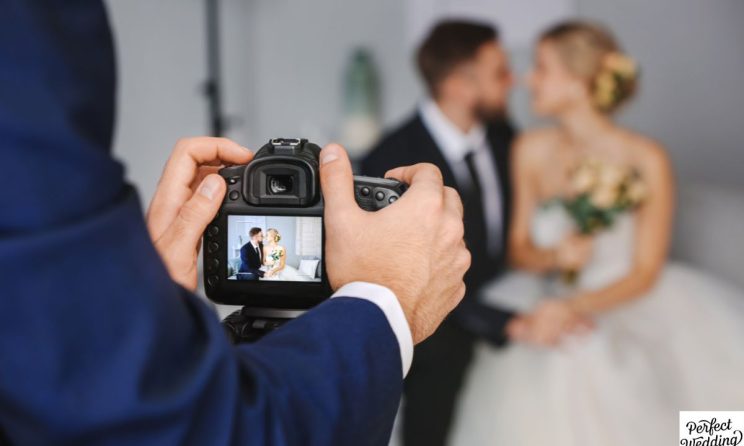
A wedding photographer’s job is to document your day in a way that tells your love story. They capture everything from the small, emotional moments to the big, show-stopping ones.
Their role is to blend in, capturing candid moments while also directing you for posed shots when needed.
Skilled photographers know how to work with your venue’s lighting and space to get the best possible images.
Whether it’s the quiet moments before you walk down the aisle or the grand entrance into your reception, they know what to look for and how to document it.
Photography Styles and Aesthetics
Every photographer has a specific style. Some are more traditional, focusing on formal posed shots, while others take a more candid, documentary approach. Here are a few popular styles:
Traditional: Posed, formal shots.
Photojournalistic: Candid moments, capturing the day as it unfolds.
Fine Art: Artistic, often dramatic or stylized images.
Contemporary: Modern compositions and creative angles.
When choosing a photographer, it’s important to look through their portfolio and decide if their style matches your vision.
It’s also worth considering their editing style—some favor light and airy images, while others go for more moody, film-like tones.
Expectations and Realities
Many couples don’t realize how much goes into wedding photography beyond just taking pictures. Your photographer will spend hours after the event editing your photos to make sure they look their best.
Candid moments are important, but you should also plan for posed shots. Setting aside time for formal portraits with family and couple photos ensures you get a complete album.
Weather and lighting can impact how and when certain photos are taken, so trust your photographer’s advice on timing and locations.
Preparation and Communication
Working closely with your wedding photographer before the big day can help ensure everything runs smoothly. Clear communication allows your photographer to capture all the moments you envision and more.
Key Questions to Discuss With Your Photographer
Before your wedding, have a conversation with your photographer about their approach and what you want. Some important questions to ask include:
What’s your style—candid, traditional, or a mix?
Do you have backup equipment?
How long will it take to receive the edited photos?
What’s your pricing structure, including overtime fees?
Discuss any specific shots you want, but also be open to your photographer’s creative input. They may suggest poses or angles you hadn’t thought of.
Importance of Comfort and Compatibility
Your photographer will be with you throughout your wedding day, so it’s important to feel comfortable around them.
Meet or have a video call to ensure you’re on the same page. They should understand your vision, but also offer suggestions based on their experience.
Checking client reviews and looking at full wedding albums, not just highlights, will give you a better idea of how they work and whether they’ll be a good fit for your wedding.
Logistics Before the Big Day
Work with your photographer to create a timeline of your wedding day. Discuss when key moments will happen, like the first look, group shots, or couple portraits.
Visit the venue together, if possible, so they can scout the best locations for photos. Make sure you’re clear on any restrictions, like flash photography rules, and plan accordingly.
Have a list of family groupings for formal shots to make that process more efficient on the day.
On the Wedding Day
On your wedding day, your photographer will be busy capturing the moments you’ll treasure for a lifetime. Here’s what you can expect.
Capturing the Celebration and Key Moments
Your photographer will be quietly moving around, snapping candid shots of you, your partner, and your guests.
From the exchange of vows to the first dance, they’ll be looking for those special moments that tell the story of your day.
They’ll also capture the details—your rings, the table settings, and the flowers—helping to create a full picture of your wedding.
Working Around the Ceremony and Reception
Your photographer will know how to blend into the background during the ceremony and be discreet in getting the shots they need.
At the reception, they’ll capture everything from speeches to the bouquet toss, without interfering with the flow of events.
Make sure to communicate any changes to the schedule as early as possible so your photographer can adjust their plans.
Ensuring Memorable Photos With Family and Friends
Group shots with family and friends are important, but they can also take time. To keep things moving smoothly, ask a family member to help gather people for the photos.
Your photographer will know how to get everyone in position for posed shots, but they’ll also be on the lookout for candid moments with your guests, capturing the real, unscripted moments of the day.
After the Wedding
Once the wedding is over, your photographer’s work continues. They’ll spend time editing and perfecting your photos, making sure they’re exactly what you hoped for.
Editing Process and Delivery Timeline
The editing process is detailed and time-consuming, so be patient. Photographers usually take 4-8 weeks to deliver the final images, depending on the complexity of the edits and their workload.
They may offer you a sneak peek of a few images shortly after the wedding.
Albums, Prints, and Digital Galleries
Once editing is done, you’ll receive your photos in various formats. Many photographers provide digital galleries, and some offer options for custom-designed albums or prints.
If you’re ordering prints, ask your photographer about their preferred printing services to ensure you get high-quality results.
Reflections and Post-Wedding Communication
After the wedding, don’t forget to send your photographer feedback. Let them know which images were your favorites and why. If you’re happy with their work, leaving a review or offering a referral is always appreciated.
Final Thoughts
Your wedding photographer is more than just someone taking pictures—they’re capturing memories that will last a lifetime.
The best results come from clear communication, mutual trust, and a shared vision.
Work with your photographer before, during, and after the big day to ensure they capture the moments you’ll treasure forever.
Frequently Asked Questions
How should couples prepare for their wedding photography?
Create a shot list of must-have moments, and communicate your expectations early on. Consider scheduling an engagement session to get comfortable in front of the camera.
What should couples discuss with their wedding photographer before the big day?
Be sure to talk about the wedding timeline, group photos, and your preferred style of photography. Discuss key moments and any special traditions or details you want captured.
What are the must-have wedding shots?
Expect photos of the ceremony, formal portraits, and special reception moments. Detail shots of rings, flowers, and decor are also popular.
How can couples ensure their photographer captures the best moments?
Stay relaxed, be yourselves, and trust your photographer’s expertise. Designate a family member to help with group photos to keep things running smoothly.
What’s the typical timeline for wedding day photography?
Plan for about an hour of getting ready photos, 30 minutes for family portraits, and time to capture the ceremony and key reception moments. Your photographer can help plan around ideal lighting conditions, especially for outdoor photos.
How should couples communicate special requests to their photographer?
Discuss any unique ideas well in advance. Make sure your photographer knows about any cultural or family traditions that are important to you so they can capture them.
[ad_2]
Source link


