


[ad_1]
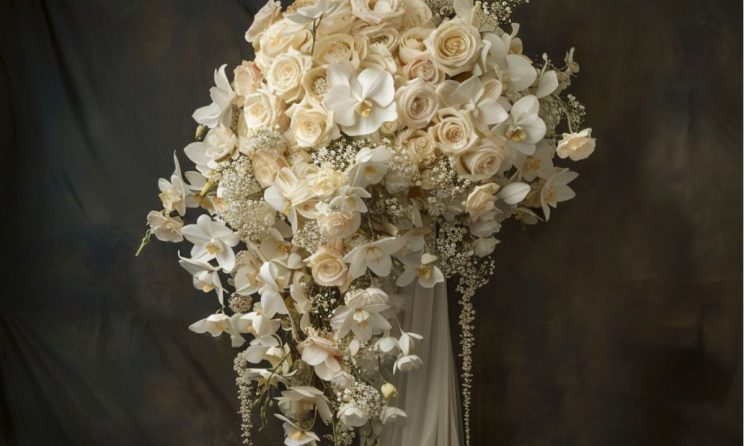
Elevate your wedding day with the elegance and drama of cascading bridal bouquets.
These breathtaking arrangements are perfect for creating a stunning visual impact as you walk down the aisle.
Featuring long, flowing flowers and vines, they add a touch of sophistication that pairs wonderfully with any wedding theme.
Learn more about cascading bouquets, and how to create a show-stopper in our article.
Key Takeaways
Cascading bouquets create a dramatic and elegant wedding look.
Choose a mix of flowers and vines for a perfect cascading effect.
Proper preparation and hydration are key to maintaining fresh blooms.
The Essentials Of A Cascading Bridal Bouquet
The cascading bridal bouquet is a stunning choice for weddings, known for its flowing, elegant design.
To create the perfect bouquet, focus on the specific style, selecting suitable flowers, and adding texture through greenery.
Defining The Cascade Style
In a cascading bridal bouquet, flowers are arranged to flow downward, creating a waterfall effect.
This style is distinguished by its elongated shape, where the blooms cascade from a rounded base and trail downwards.
The goal is to achieve a natural yet sophisticated look. This effect can be accentuated by using flowers with long stems and incorporating vine-like elements.
The cascade style provides a dramatic and elegant aesthetic, perfect for any formal wedding setting.
The Right Choice Of Flowers For Cascading Bouquets
Selecting the right flowers is crucial for creating a cascading bouquet. Flowers with longer stems, such as calla lilies, orchids, and roses, are ideal starting points.
These blooms form the rounded base and support the trailing effect. Other popular flowers include tulips and butterfly ranunculus.
Choosing a variety of blooms with different sizes and shapes adds depth and visual interest.
It’s also essential to consider the color scheme of your wedding. You may opt for harmonious shades to complement your theme or vibrant colors for a striking contrast.
We’ll look at the flowers in more detail below.
Incorporating Greenery And Texture
Adding greenery and textural elements is vital to enhance the cascading bouquet’s allure.
Use vine-like flowers, such as clematis, amaranthus, sweet peas, jasmine, and bougainvillea, to extend the cascade and introduce a lush appearance.
Incorporating various forms of greenery, like ivy or eucalyptus, can provide structure and balance. Green wire is often employed to secure the bouquet’s shape without compromising its fluidity.
Experiment with different textures to enrich the overall look. Soft, feathery greens can contrast beautifully with bold, structured flowers to create a multifaceted and elegant floral arrangement.
The Most Popular Flowers For Cascades
Various flowers are favored for creating cascading bridal bouquets due to their shape, texture, and ability to drape elegantly.
As we mentioned above, orchids, roses, and peonies are classic choices, offering a romantic feel with their lush petals.
Incorporate lilies and calla lilies for their distinctive shapes, and add dahlias or ranunculus for a pop of vibrant color.
Ferns, vines, and ivy provide a green base that enhances the bouquet’s depth and dimension.
If you’re seeking something unique, consider clematis, sweet peas, or jasmine, which can add a touch of whimsy.
Flower TypeCharacteristicsOrchidsElegant, drapingRosesClassic, lush petalsPeoniesFull, fragrantLiliesBold, distinctive shapesCalla LiliesSleek, modernDahliasVibrant, layered petals
Color Selection And Visual Appeal
The color palette of your bouquet plays a crucial role in matching your wedding theme and dress. For a classic look, opt for white roses, peonies, or hydrangeas.
These white flowers symbolize purity and elegance. If you prefer a more vibrant bouquet, consider jewel tones like burgundy, plum, and deep reds offered by flowers such as amaranth, scabiosa, and king protea.
Pastel shades are perfect for a soft, romantic atmosphere. Combine blush peonies, peach garden roses, and lilac hues.
Bold choices like fuchsia orchids or bright poppies can create a standout look that draws attention. It’s important to balance colors to avoid overwhelming the bouquet.
Complementary greenery like eucalyptus and soft baby’s breath can provide balance and harmony.
Enhancements And Embellishments For Your Cascading Bridal Bouquet
Consider various enhancements and embellishments to elevate the visual appeal of your cascading bouquet.
Satin or silk ribbons can add a touch of elegance and can be tied in cascading streams to complement the floral waterfall effect.
Spray roses and berries can be tucked into the bouquet for texture and visual interest.
Succulents and anemones offer unique shapes and can serve as focal points within the arrangement. Incorporating elements like phalaenopsis orchids, hellebores, and fritillaria adds an exotic flair.
For a truly unique touch, accentuate with proteas or veronica. These embellishments not only beautify the bouquet but also tie in your personal style and wedding theme seamlessly.
Design Techniques And Styles For Cascading Bouquets
Below, we will explore the essential techniques for creating a balanced composition with cascading bridal bouquets.
Stay updated with innovative styles and trends that will make your bouquet a timeless piece.
Creating A Balanced Composition For Your Bouquet
Achieving a balanced composition in a cascading bridal bouquet involves a strategic arrangement of flowers and greenery to create a stunning trailing effect.
Begin by selecting long stems such as orchids, delphiniums, or ivy, which provide the necessary drama and flowing form.
Incorporating varied sizes and shapes ensures a dynamic and visually appealing design.
Florists often use a bouquet holder to provide structure and allow for precise placement of stems.
The bouquet’s shape should complement your wedding style, whether it’s bohemian, rustic, or elegant.
Balance bold statement flowers like roses or peonies with filler flowers such as baby’s breath or lisianthus.
The key is to make it look as if the flowers are naturally cascading over your hands without being visually heavy.
Each element in the bouquet should maintain its unique presence while contributing to an overall harmonious look.
Stunning Styles And Trends
Staying current with trends allows you to add unique touches to your cascading bridal bouquet.
Bohemian bouquets might incorporate wildflowers and trailing greenery for a relaxed, natural look.
Rustic styles often feature earthy tones, dried elements, and wooden accents, reflecting a timeless appeal.
Modern takes on cascading bouquets might include bold color schemes with unusual flower choices, such as succulents, to create a distinct statement.
Mixing traditional blooms like roses with contemporary choices like proteas can provide fresh inspiration.
For an elegant, timeless approach, consider monochromatic color schemes or metallic accents.
Versatile arrangements allow you to incorporate meaningful flowers that represent personal touches.
Florists can also incorporate extra-long ribbons or lace to add additional drama and romance to the cascading effect.
Embracing the latest style trends will ensure your bouquet is both stylish and reflective of your personality and wedding theme.
Final Touches For Your Wedding Day
Ensuring that every detail harmonizes seamlessly with your wedding vision is crucial.
The final touches on your wedding day involve aligning your bouquet with your attire, coordinating with the theme, and managing its transport and handling.
Harmonizing Bouquets With Wedding Attire
Your bridal bouquet should enhance your wedding dress, not overshadow it.
If you have a traditional gown, such as one reminiscent of Princess Diana’s iconic dress with a long train, a cascading bouquet in a bold, upside-down teardrop shape can create a stunning effect.
Consider the color palette; pastel shades like peach and blush beautifully complement white or ivory gowns. For texture and vibrancy, consider adding elements like jasmine vine and bougainvillea.
The bouquet size also matters. For petite brides, a smaller, more compact cascading bouquet may be preferable to avoid overwhelming your frame.
Incorporate accessories such as a sophisticated bouquet holder that complements the lace or beading on your dress.
Coordinating With Your Wedding Theme
Your wedding bouquet should align with your chosen wedding theme. For a fall wedding, consider using rich, autumnal colors such as burgundy mixed with hypericum berries and sunflowers. This creates a warm, seasonal aesthetic.
For a bohemian or rustic theme, integrate wildflowers, pampas grass, and smilax to capture that free-spirited feel.
If your theme is more elegant, using orchids and roses in cream, blush, and pink can add a touch of sophistication.
Match the bouquet’s aesthetic to other elements like table centerpieces and ceremony backdrops, ensuring a cohesive look throughout your celebration.
Balance is key; you want the florals to enhance the theme without becoming overpowering.
Transportation And Handling Of The Bouquet
Proper transport and handling of your cascading bouquet are essential to maintain its freshness and structure.
On your wedding day, store the bouquet in a cool, dark place until you are ready to use it.
If your bouquet includes delicate flowers like jasmine vine or ruscus, extra care should be taken to avoid wilting. Use a sturdy bouquet holder to manage the handling and prevent damage.
When posing for photos or walking down the aisle, hold the bouquet at hip level to showcase both the flowers and your dress.
After the ceremony, consider assigning someone to transport the bouquet safely to the reception site, ensuring it remains in pristine condition throughout the day.
Our Final Word
Cascading bouquets make a stunning statement as you walk down the aisle.
Remember though, it should complement your dress and your wedding vibe as a whole, rather than overpower it.
With the right selection of flowers and embellishments, your bouquet will really turn heads.
Frequently Asked Questions
What are the steps to creating a cascading bridal bouquet with silk flowers?
Begin by preparing your materials, including silk flowers, floral tape, wire, and scissors. Trim the stems of silk flowers at an angle. Start by arranging the central flowers first and then layer additional flowers and greenery around the base.
Use floral tape or wire to secure the stems in place. Adjust the lengths of the outer flowers to achieve the cascading effect.
Which flowers are best suited for a cascading bridal bouquet design?
Flowers with long stems, like calla lilies, orchids, tulips, and roses, are ideal for the base of the bouquet. Vine-like flowers such as clematis, amaranthus, sweet peas, jasmine, and bougainvillea help in creating the cascading effect. Mixing different types ensures volume and depth, adding to the bouquet’s visual appeal.
What is the typical price range for a professional cascading bridal bouquet?
Prices can vary widely based on the types of flowers used and the complexity of the arrangement. A professional cascading bridal bouquet typically costs between $150 to $400. Customizations and premium flowers can increase the price further.
Can you transform a traditional bouquet into a cascading style, and how?
Yes, you can transform a traditional bouquet into a cascading style. Start by loosening the arrangement and adding longer-stemmed flowers and trailing greenery. Secure them with floral tape while ensuring they spill downwards to create the desired cascading effect.
What are the different shapes and sizes available for cascading bridal bouquets?
Cascading bouquets come in various shapes and sizes, ranging from minimalistic to extravagant designs. Popular shapes include teardrop and waterfall, which differ in length and fullness. Smaller cascades are suitable for understated elegance, while larger ones make a dramatic statement.
How can you assemble a cascading bridal bouquet without using a bouquet holder?
You can create a cascading bouquet without a holder by using floral tape and wire to secure the stems. Begin with your base flowers and gradually add additional blooms and greenery, ensuring they extend outward and downward. Wrap floral tape tightly around the stems for stability and finish with ribbon or lace for a polished look.
[ad_2]
Source link


